

A therapy dog walking in a park with their owner - contact Dog Training Elite to talk to a professional therapy dog trainer!

Therapy Dog Training

Dog Training Elite

Request Free Assessment

Request Free Assessment

Our Therapy Dog Training Could Help:
Those managing chronic pain
People looking to increase social interaction
Anyone seeking enhanced motivation and purpose
Individuals in need of emotional comfort
Those experiencing stress, anxiety, or depression
People wanting to boost overall optimism
Anyone feeling lonely or isolated

Therapy Dog Trainer

What is a Therapy Dog?

A therapy dog is trained to provide emotional support and comfort to people in need, often visiting hospitals, nursing homes, and schools. These dogs must be friendly with strangers, able to handle high levels of distraction, and understand personal boundaries like not jumping, licking, or mouthing. With proper training, therapy dogs can bring joy and emotional relief to those they interact with, offering companionship in stressful environments.

At Dog Training Elite, we offer programs to help your dog become a certified therapy dog. As a leading therapy dog trainer, we focus on developing the right temperament and skills so your dog can confidently provide comfort and support in various settings. With our professional guidance, your dog can become a valuable source of emotional care and connection for individuals in need.

See Training Packages
A therapy dog in training with Dog Training Elite's expert handlers.

How Does a Dog Become a Therapy Dog?


Read More
Read Less

While the companionship your dog brings you may inspire you to share that with others, not every dog is suited to be a therapy animal. Beyond a friendly, loving personality, several important qualifications must be met for a dog to be considered for therapy work:

  • Age: Puppies are typically too energetic and lack the focus to be therapy dogs.
  • Obedience: A therapy dog must follow commands reliably. Dogs that have completed obedience training with Dog Training Elite have the solid foundation needed to begin therapy dog training.
  • Social Skills: Therapy dogs need to naturally enjoy meeting new people and must handle being petted and approached by strangers without anxiety. Their ability to remain calm and friendly, even in unfamiliar situations, ensures they can provide emotional support to those they interact with.

Get Your Free Assessment

You and your canine companion really can have it all. See how easy it can be to become a member of the elite pup society by requesting a free consultation today!

Hear From Our Customers

Learn Why Dog owners choose Dog Training Elite

  • Stefanie Abram
    Mar. 10, 2026
    Marcus was very professional, on time, and accomplished our goals for our session.
  • Amelia McDonald
    Feb. 5, 2026
    If I could give 10 stars I would! Stephany, Ramiro and the team are so great! They took on two of our puppies at once! Both dogs will be service dogs and they worked very hard to understand the needs of our 2 sons so that they could train the dogs for them as individuals! They were VERY patient with the humans too! They are helping us work through all situations with respect and patience. They also do an AMAZING job work with my son who has severe anxiety! They made him feel confident and heard! Although everyone has been amazing, Marcy, Tina and Mitch worked very hard to prepare them during their days at the facility. Marcy has done the after visits and continues to be SO supportive and accommodating to our family's needs. BRAVO to the team at Dog Training Elite! Excited to see the growth that we will all see in the next steps of our training!
  • Shelly Schaefer
    Feb. 21, 2026
    Jessica is amazing!! She is so patient with my Pixie.
  • Shelly Schaefer
    Feb. 21, 2026
    Jessica is amazing!! She is so patient with my Pixie.
  • Becca Long
    Mar. 9, 2026
    I'm training a service dog with Dog Training Elite, and everyone has been great! They're very knowledgeable and explain everything in a way that makes sense. They've helped me through the whole process, from finding a dog through the training. I'd highly recommend them!
  • Aditi Agashe
    Mar. 9, 2026
    Tiffany was great with Eddie. She was quickly able to understand what type of training Eddie would need and gave very good suggestions and recommendations.
  • Megan Thomson
    Mar. 9, 2026
    This company has really helped my dog's and my own confidence through our path to seizure alert and response training! Obedience training has come in clutch!
  • Amy Magliarditi
    Mar. 9, 2026
    We adopted our precious little bundle of joy at 8 weeks old. He came home and it was absolute chaos!!!!! Biting, chewing furniture, Zoomies he did it all 🥺 my husband and myself we were at our wits end and thought we had made the biggest mistake of our lives. However, we were referred to Dog Training Elite. We met with the owner Grant who told us what we would expect and how our dog would begin to behave. In just a matter of weeks we had a completely different puppy (a puppy that we absolutely adored and fell in love with) he is very well mannered and has a much better temperament all thanks to Grant and Rivers trainer Taylor ❤️❤️❤️❤️❤️❤️ this place is a 10 out of 10 if you want to love your dog I am speaking from experience because I did not love mine and I am embarrassed to say that now 🥺 but 100% thanks to them we have an excellent dog and he's still just a puppy he couldn't be any more well-behaved ❤️
  • Bradley Kimbrell
    Mar. 9, 2026
    Very impressed with the way Bailey handled my dog.
  • Caitlin Petty
    Mar. 9, 2026
    DTE St. Louis is absolutely phenomenal. When our rescue pup (a male pitbull mix) was around a year and half, we realized as first-time dog owners that we needed professional support. Matt and the DTE Team met with us for 2 free consults as we decided between the service dog training and obedience training. After our pup had a traumatic incident with another dog while we were away and we began struggling immensely with dog reactivity (e.g., barking and lunging on leash), Matt tailored the 3-week in-faculty obedience training specifically to our needs surrounding reactivity, impulse control, and hypersensitivity. Matt, Dom, Jon, Alex, and the entire DTE Team have been incredible with us throughout this process. They made sure to explain from the beginning that though we can regulate a dog’s behaviors through training, we cannot completely change a dog’s personality, which helped us understand our pup better as we worked to strengthen the ways in which we communicate with him and assess his needs/stress levels. Within the 3 weeks of in-facility training, we saw massive improvements in neutrality while on walks in our neighborhood, and it only got better once we began attending Saturday and Monday obedience group classes. DTE focuses not just on teaching your dog, but on teaching you, as the dog’s handlers, how to effectively communicate with your dog. They use a balanced approach that includes an emphasis on your body language, lots of positive reinforcement, and importantly, the setting of clear expectations and boundaries (e.g., with e-collar training). The DTE Team excels in assessing each individual dog’s needs and adapting when the situation calls for it. To give you an example, group class is very challenging for our dog-selective pup. The first few months went well, but after a stressful period of travel, our pup regressed a bit and began barking and lunging more both on walks and in group class. The trainers worked with us to adjust how much space we gave our pup during class, and modified the way he participated in group activities so that he could remain under his emotional threshold before we asked him to do more challenging exercises again. DTE has given us a safe space to implement all that we’ve learned during training and to receive support as we navigate the difficult journey of counter-reactivity training with a pup we love tremendously. It is not easy, and we are still working towards our goal of neutrality around other dogs, but I went from experiencing debilitating panic while taking my pup for a 10-minute walk before the DTE training, to walking him for hour+ periods in more public places with confidence, both in my leadership skills and in his ability to make the right choices. And for reference, we are about 6 months into training using the DTE methodology. For anyone struggling with these types of reactivity issues, I cannot recommend DTE highly enough. Thank you to the entire DTE Team!!! We wouldn’t have made it this far without your unyielding support.
  • Les Baxley
    Nov. 5, 2024
    Very happy with this special session. Now I'll work on the things she showed me.
  • Nicole Parks
    Mar. 8, 2026
    Neil is an awesome trainer. Our German Shepard is showing such great progress. This dog went from wanting to eat you to such a well behaved boy. Neil brought 2 other trainer last session an Cosmos barked twice , We gave him the comand and he settled down and one of the other trainers got to work with him and Cosmos did so well. That was such a HUGE difference. We are so thankful for Neil and his team.
  • CHELSEA Baucom-Young
    Mar. 8, 2026
    I cannot speak highly enough about our experience with Larissa. She was outstanding—kind, knowledgeable, and truly gifted at what she does. Our dog, who we honestly thought might be too old to learn new tricks (or even just basic good behavior), responded incredibly well to her approach. It was a pleasure having Larissa come to our home week after week. Having in‑home training—especially since we live 50 minutes outside of Green Bay—was such a huge benefit and made the entire process so much easier for us. Five stars to Elite Dog Training, and an extra‑bright 5+ stars to Larissa!
  • Marleah Miller
    Mar. 6, 2026
    I cannot recommend DTE enough. They’ve been absolutely amazing working with my dog, Ozzy. He’s not even finished with his training yet, but he’s already a completely different dog. The improvement in his manners, obedience, and overall behavior has been incredible to see. What I appreciate most is their honesty and integrity. They don’t try to sell you more than you need—they recommend the training packages that truly fit you and your dog, nothing more and nothing less. That kind of transparency is rare and really speaks to their professionalism. Ozzy is training to become a service dog, and the foundation they’re helping build is already making a huge difference. I’m so glad they were the first trainers I reached out to. If you want to better your dog while also becoming a better dog owner yourself, I would highly recommend them.
  • Rachel Lipsett
    Mar. 7, 2026
    Red was a huge help to us! He was so patient and kind while helping us work with our very reactive dog. Definitely recommend.
  • Abigail Baggarly
    Feb. 19, 2026
    Excellent experience!
  • Charlotte Miota
    Mar. 7, 2026
    Overall, I highly recommend this trainer to anyone looking for effective, compassionate dog training. The results were noticeable, and my dog is now more confident, obedient, and happy.
  • Alexa Blasczyk
    Mar. 7, 2026
    Larissa was the BEST! She worked with our dogs, Honey and Bane on basic obedience and some reactivity to other dogs. Our dogs are SO much better now. One of our favorite things we worked on was “place”so our dogs would sit on our couch when someone came over and they wouldn’t greet them until we release them. We also enjoyed working with our dogs to be more neutral while walking. When training dogs, you also have to train the owners and Larissa did a great job navigating the situation when we had some stressful training sessions. Sometimes our dogs were being stubborn and my fiancé and I were both getting frustrated. But Larissa calmed us both down and we were able to have a productive session. Larissa is very patient and always very positive. We looked forward to our sessions each week. 10 out of 10 recommend!!!
  • Alejandra galindo
    Mar. 7, 2026
    Our experience with Dog Training Elite Orlando has been incredible. Eros started in the Platinum program and now we are continuing with the Service Dog program, and we have truly seen an impressive transformation in his behavior, obedience, and confidence. What makes this place special is the quality and dedication of their trainers. Chelsea, Cheyenne, Logan, and Emily have been absolutely wonderful. They are always patient, professional, and it’s clear that they truly love what they do. They have guided us step by step and are always willing to answer questions and help us improve as handlers. The training doesn’t focus only on the dog; they also teach the owner how to properly work with their dog to maintain long-term progress. Thanks to their support.
  • brian morgan
    Mar. 7, 2026
    Debbie was very patient and explained things very well so we understood what she was doing and why
An obedient dog in a emotional support dog training program.

Benefits of Therapy Dogs

Read More
Read Less

Therapy dogs have a profound impact on individuals’ emotional and physical well-being. Research demonstrates that therapy dogs can improve a patient's mood, reduce stress, and even lower pain levels during hospital stays or medical treatments. Their calming presence provides comfort and relief in challenging moments.

Children, in particular, often respond well to therapy dogs. The companionship and playful interaction of a therapy dog can motivate children to engage more fully in treatments, helping them overcome fear or reluctance. With a therapy dog by their side, children tend to feel more optimistic and less anxious.

Beyond medical settings, therapy dogs also foster social interaction, especially in autism and mental health communities. These dogs offer non-judgmental companionship and serve as a bridge for individuals who may struggle with social connections. By reducing feelings of loneliness and anxiety, therapy dogs offer their owners comfort and companionship that enhances the overall quality of life.

A therapy dog handler with their dog trained by Dog Training Elite.

Therapy Dog Handlers

Read More
Read Less

If you’ve ever wanted to make a meaningful impact in your community, becoming a therapy dog handler offers a unique opportunity to do so alongside your dog. You can choose where to volunteer based on your interests, such as schools, hospitals, or senior living centers.

Once you’ve decided, therapy dog training is the next step. Dog Training Elite’s expert trainers will help your dog master essential behaviors like loose-leash walking, “leave it,” and not jumping on people. After completing training, you can apply for therapy dog certification, but it’s essential to keep up with ongoing training to ensure your dog remains well-behaved and ready to assist.

Additional Training Programs

Dog Training Elite - Dog Obedience Training. DTE

Obedience Training

Dog Training Elite - Puppy Training. Dog Training Elite

Puppy Training

Dog Training Elite - Service Dog Training. Dog Training Elite

Service Dog Training

Dog Training Elite - Anxiety & Aggression Dog Trainer. DTE

Anxiety & Aggression

Dog Training Elite - Top Protection Dog Training. Dog Training Elite

Personal Protection

Dog Training Elite - Group Class Dog Training. DTE

Group Training

A fully trained service dog from Dog Training Elite.

Emotional Support Dog Training

Why Choose DTE for Therapy Dog Training?

Read More
Read Less

At Dog Training Elite, our training programs prepare your dog for real-world situations where their presence can provide emotional support and comfort. Beyond just obedience, our training teaches your dog how to handle stressful or highly stimulating environments like hospitals, schools, or nursing homes.

We also place a strong emphasis on socialization and adaptability, making sure your dog can confidently engage with people of all ages and backgrounds. Therapy dog work requires attentiveness and empathy, and our training helps your dog develop these traits. With a foundation of trust, consistency, and patience, your dog will be fully equipped to offer comfort and companionship wherever it’s needed.
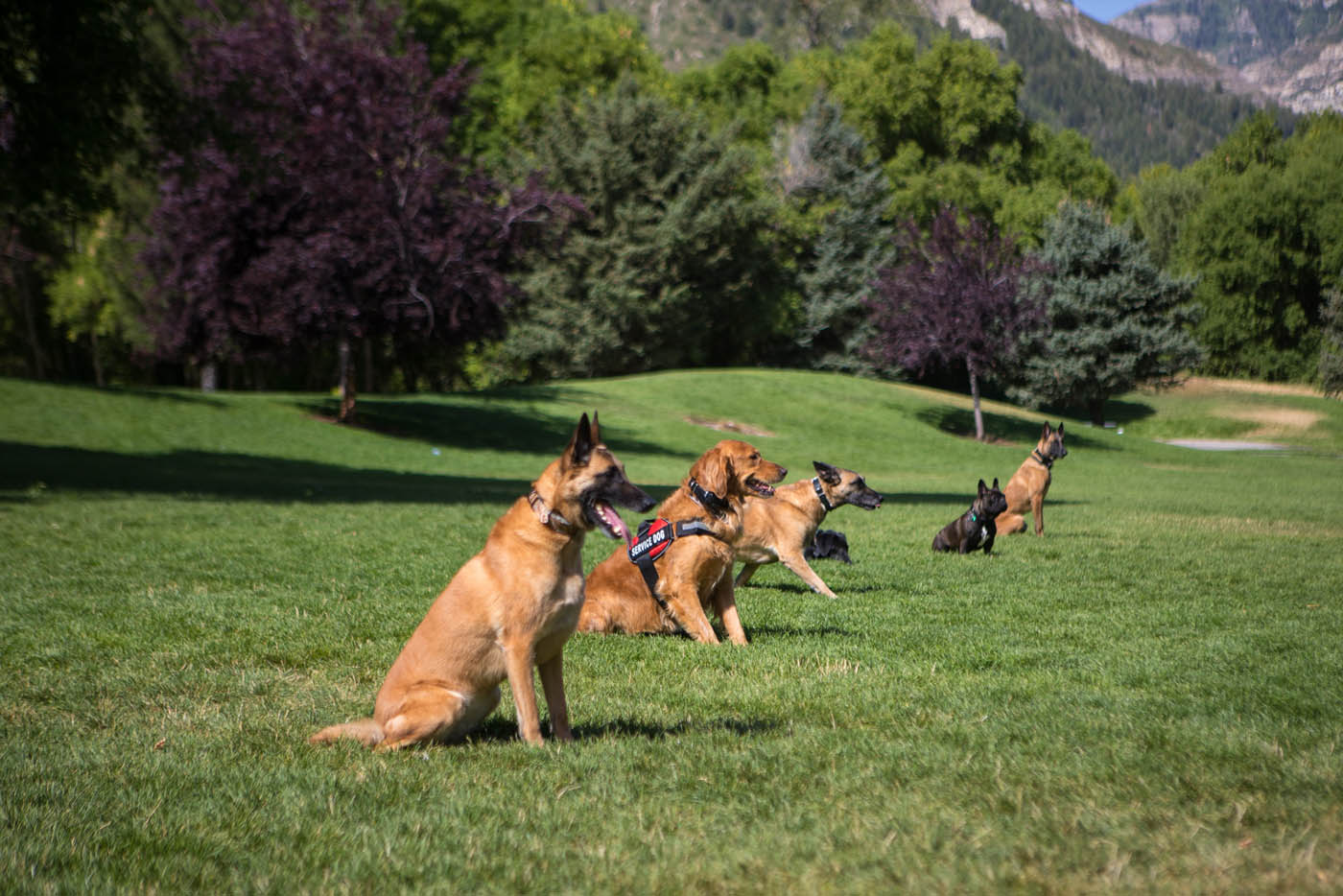
A group of dogs being trained by the expert team at Dog Training Elite.
Dog Training Elite light star icon.

Educate, Empower, Elevate, Elite

Victory Begins With Elite Education

ESA vs. Therapy vs. Service Animals

What's the Difference?

Animals that provide assistance and companionship can be classified into three main groups: service animals, emotional support animals (ESAs), and therapy animals. Each has different responsibilities, training requirements, and legal protections. Knowing the differences can help you choose the right type of support for a disability, emotional needs, or therapy purposes.

Here are the defining features of each type:

Service animals are trained to help individuals by performing tasks that meet their specific needs, such as:

  • Redirecting attention when an individual is beginning to feel overstimulated
  • Reminding owners to take medication
  • Waking someone who is having a nightmare

Service dogs are highly valued in the mental health and disability community and are protected under ADA laws, allowing them to accompany their owners anywhere. At DTE, we provide specialized training for service dogs that assist individuals with autism, diabetes, and PTSD.

The key difference between ESAs, therapy dogs, and service dogs is that service animals are protected by the Americans with Disabilities Act. This means they are allowed to go anywhere their owner goes. ESAs and therapy dogs do not have the same protections as service dogs, and public places can set their own rules about allowing them.

ESAs are prescribed by licensed mental health professionals to help individuals with mental health conditions such as anxiety or depression. These animals provide emotional support simply by being a comforting presence. Unlike service dogs, ESAs are not trained to perform specific tasks related to their owner's condition.

ESAs can be of any breed or age, and while they do not require the same level of training as service dogs, many owners choose to seek additional training. This can help strengthen the bond between the owner and the animal and improve the ESA's ability to provide consistent emotional support in different situations.

Therapy animals provide comfort and emotional support to individuals in need. They are not trained to assist a single person but are instead taught to be well-behaved and sociable around various groups of people. These animals help reduce stress, anxiety, and loneliness for those they visit.

Unlike service animals, therapy animals are not required to perform specific tasks. Their calming presence is what makes them valuable in therapeutic programs.