

Labs are calm, trainable, and built for service work. Learn why they're a top choice for PTSD, autism, and medical response dogs in Medina, MN.
My son has autism and we’re looking into getting him a service dog. Labs come up in almost every conversation I have, but it's a big commitment, so I want to figure out what makes Labrador Retrievers good at this type of work. Why are they considered so much better suited for service tasks than other breeds?
There’s a reason why you see Labs everywhere in service work. They’re built for it. Labs have that calm, steady disposition that holds up well in unpredictable environments like crowded stores, busy restaurants, and noisy public transit. They’re not easily rattled, which matters a lot when your child is having a meltdown or if you have a panic attack coming on.
Labs are also love food and they’re eager to please, which means they take have an easy time with positive reinforcement training. They also learn complex task sequences quickly and retain them well. So whether you need deep pressure therapy, anxiety alerts, or tethering for elopment prevention, a Lab can handle it.
Their size helps too. Labs are large enough to provide physical support and pressure, but not so big that they’re difficult to manage in tight spaces. They’re also generally healthy and have a working lifespan of 8-10 years as a service dog.
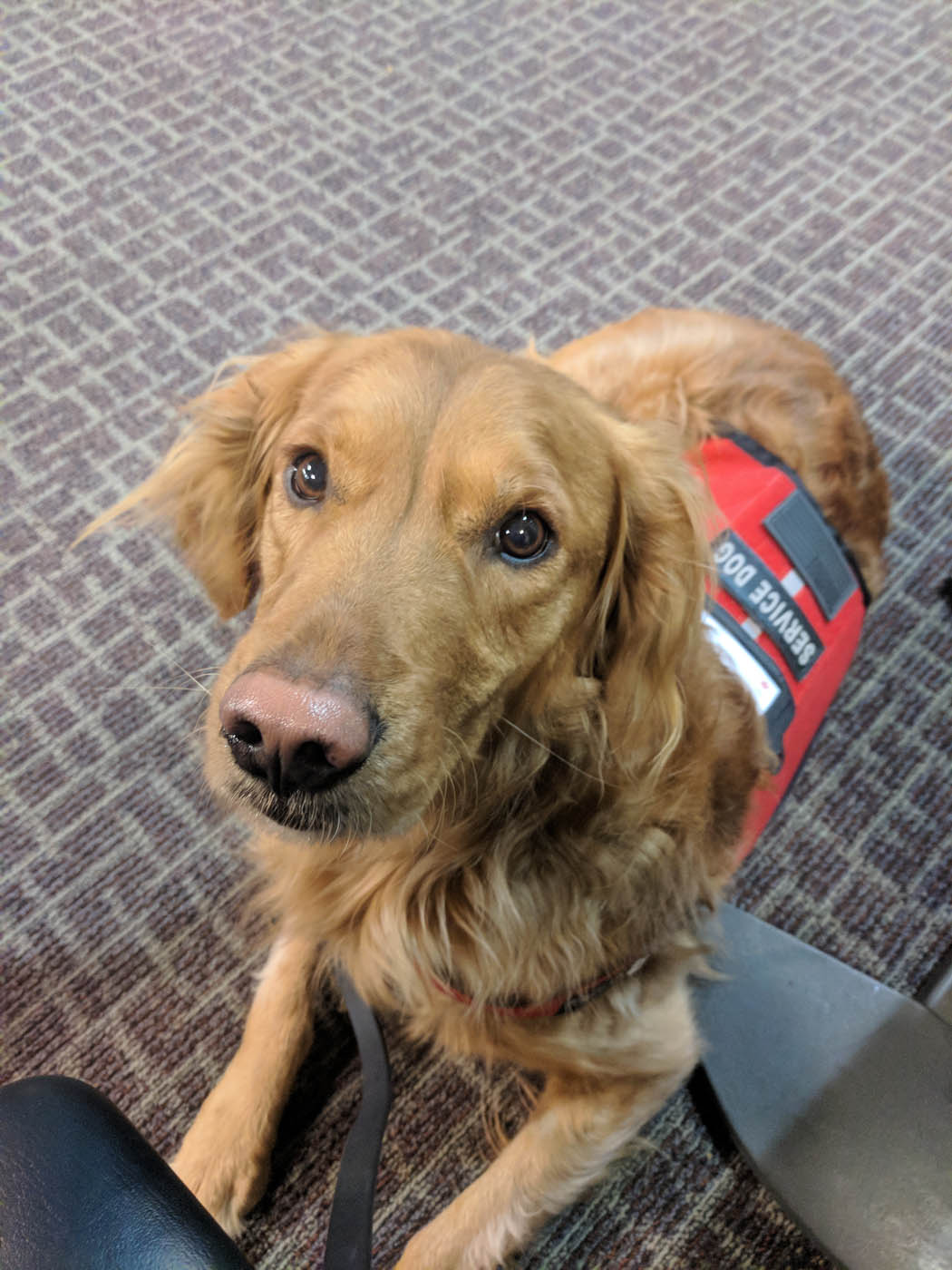
At Dog Training Elite Twin Cities, we typically recommend Labrador Retrievers and Golden Retrievers for families pursuing service dog training. If you don’t already have a dog, we can help you find one with the right temperament. If you do, we’ll evaluate whether they’re a good fit.
Call (763) 342-9250 or request your free assessment online today.
Also read: Medical Response Dog Training

You and your canine companion really can have it all. See how easy it can be to become a member of the elite pup society by requesting a free consultation today!